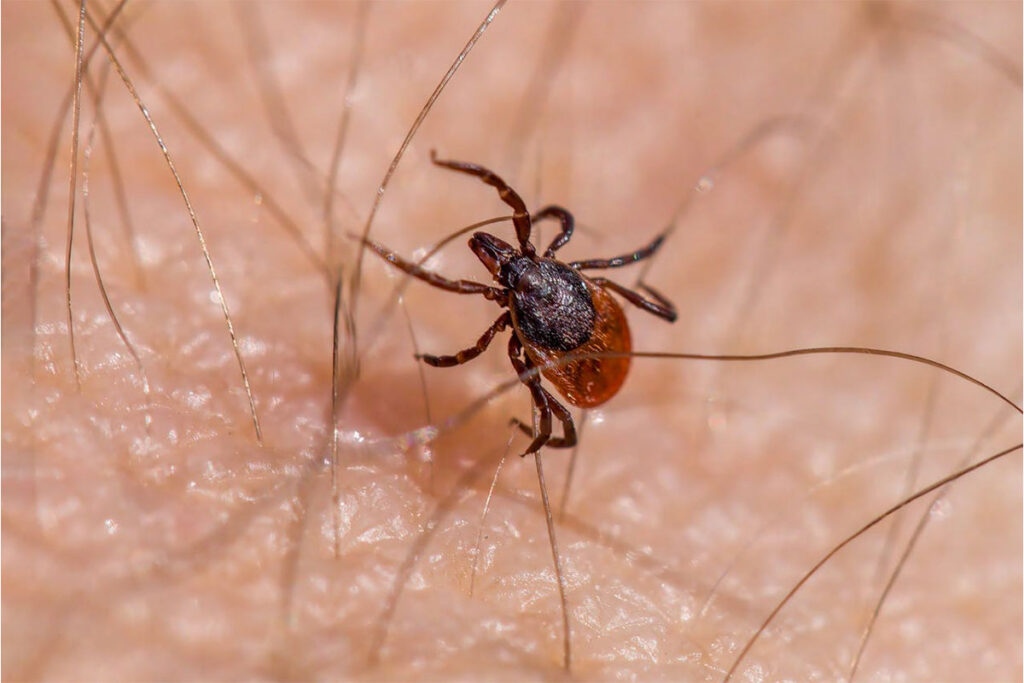
Lyme disease—transmitted by Borrelia bacteria via infected deer ticks—continues to be the most common vector-borne illness in America. In 2023, over 89,000 cases were officially reported, but actual estimates suggest nearly 476,000 Americans are diagnosed or treated annually Association of Health Care Journalists+10CDC+10Big Rapids Pioneer+10.
📍 Where It’s Most Common
If you live in the Northeast, mid‑Atlantic, or upper Midwest, take note—these regions account for about 95% of all reported cases in 2022–2023 US EPA+1American Medical Association+1. Tick habitat has been expanding due to climate change, human encroachment, and shifting wildlife populations — putting more residents at risk year-round American Medical Association+1New York Post+1.
🧠 Why Cases Are Climbing
- Longer tick seasons and mild winters are helping ticks thrive and spread over wider areas.
- Tick populations are growing in areas previously unaffected—like Michigan, Ohio, Indiana, and parts of the Pacific Northwest American Medical Association.
- Experts in New York recently warned of a doubling of tick encounters in 2025, with approximately 31% of tested ticks carrying at least one pathogen—including Lyme, anaplasmosis, and babesiosis health.com+15timesunion.com+15sfgate.com+15.
🔍 Common Lyme Disease Symptoms
- Early signs often include fatigue, fever, headache, and a classic “bull’s-eye” rash (erythema migrans), which may expand over days or weeks American Medical Association+2Wikipedia+2New York Post+2.
- Roughly 80% of infections start with a rash near a bite site—often in skin folds or warm areas like thighs or under arms Wikipedia+1health.com+1.
- If left untreated, symptoms can progress to joint pain, neurological issues, facial palsy, or cardiac irregularities WikipediaAmerican Medical Association.
🧪 Diagnosis & Treatment
- See a doctor if you spot a rash or develop flu-like symptoms after a tick bite.
- Blood testing is usually done after 3–4 weeks when antibodies develop.
- Doctors typically prescribe doxycycline or amoxicillin. Treatment is more effective when started early—delayed care can lead to complications Wikipedia.
- A small percentage (5–20%) may experience lingering symptoms even after treatment—known as Post-Treatment Lyme Disease Syndrome (PTLDS) Wikipedia.
🛡️ How to Prevent Tick Bites & Lyme Disease
Here’s what experts recommend:
- Dress smart: Wear long sleeves, tuck pants into socks, and choose light-colored clothing for easier tick spotting WHA.
- Treat clothing or gear with 0.5% permethrin, which kills ticks on contact sfgate.com+2WHA+2Wikipedia+2.
- Apply EPA-approved repellents like DEET, picaridin, or oil of lemon eucalyptus to exposed skin Wikipedia+2WHA+2sfgate.com+2.
- Check for ticks daily, especially in hidden places like groin, scalp, and behind knees. Shower soon after outdoor activity and inspect pets too WHA+1timesunion.com+1.
- If you find an attached tick, remove it quickly with fine-tip tweezers—ideally within 36 hours to reduce infection risk WikipediaWHA.
🌡️ Emerging Solutions: Vaccine & Research Updates
- A new Lyme disease vaccine candidate, VLA15, is currently in late-stage clinical trials (Phase 3) — though not yet FDA approved vax-before-travel.com+1Wikipedia+1.
- Cutting‑edge research into mRNA-based vaccines targeting tick saliva shows promise for future prevention Wikipedia.
✅ Final Thoughts
Lyme disease isn’t going away anytime soon—and the risk zones are growing. Early detection, smart prevention, and prompt treatment are your best defenses. Know where ticks are active in 2025, stay vigilant after outdoor time, and if symptoms show up, act fast.
Want a printable checklist or infographic on tick bite prevention and Lyme signs—ready to share or save? Just say the word.